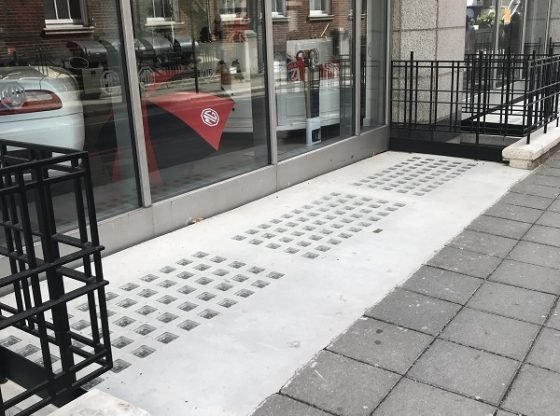
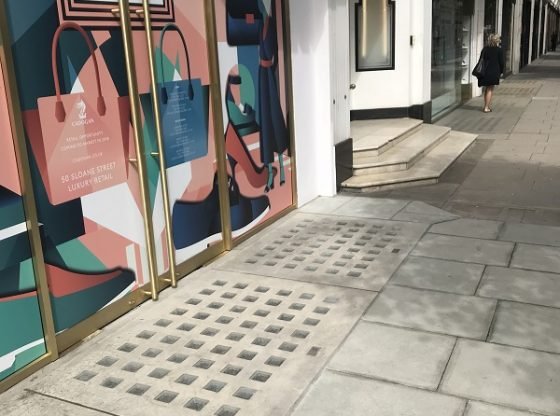
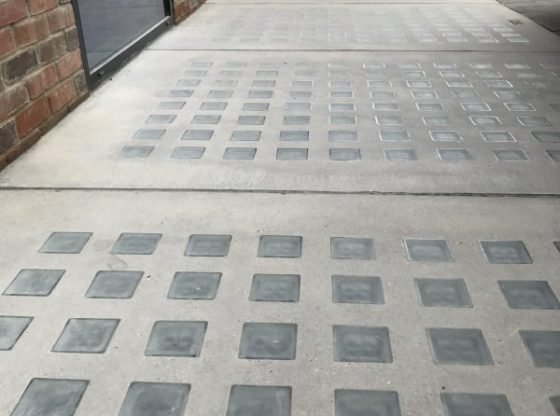
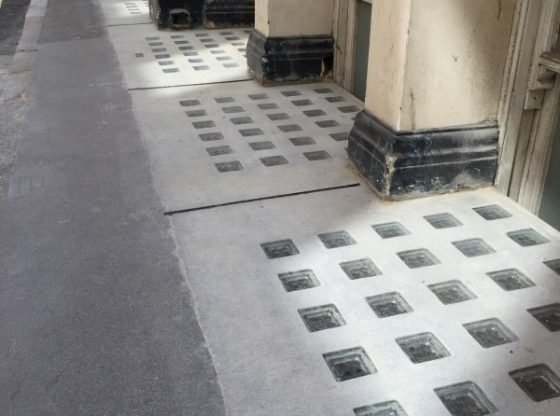
Why Pavement Lights Leak and How to Prevent Recurring Water Ingress June 1, 2026 psgsol.official 6:03 am Why Pavement Lights Leak and How to Prevent Recurring Water Ingress Pavement lights are glazed panels set flush into external paving to allow natural light into basements and below-ground spaces. You’ll find them across the UK, particularly in Victorian and Edwardian properties where lightwells and basement kitchens were standard features. Urban terraces, commercial vaults, and converted cellars often rely on these systems to bring daylight underground. Water ingress basement problems often begin with failing pavement light seals that allow rainwater to penetrate below ground level. Pavement lights sit in one of the most punishing positions on any building. They’re fully exposed to heavy rainfall, foot traffic, thermal movement, and debris accumulation. Every expansion cycle and every passing storm tests the seals and structure. Even minor leaks through pavement lights can cause significant damp issues in the ground space beneath. Water penetration at ceiling level tracks across surfaces, damages finishes, and creates conditions for mould growth. Left unaddressed, moisture ingress can corrode supporting steelwork, stain interiors, and compromise the basement structure itself. As a UK manufacturer and installer of engineered pavement light systems, Luxcrete frequently investigates recurring basement leaks linked to ageing or poorly detailed glazing installations. In many cases, the pavement light is not an isolated defect but a weak point within the wider basement waterproofing system. Where the basement below is used as storage or converted into habitable living space, pavement lights must integrate with structural waterproofing principles set out in BS 8102:2022. This article explains how to identify leaking pavement lights, understand why they fail, and choose the right approach to prevent recurring water ingress. Key Takeaways Pavement lights are a common but overlooked cause of basement water ingress. Leaks typically result from failed seals, cracked glazing, poor installation, blocked drainage, or corroded frames. Temporary sealants rarely address the root cause and can trap moisture, worsening damage. Early intervention prevents structural damage, corrosion, and mould growth in the basement space below. Long-term protection may require professional resealing, frame refurbishment, improved drainage, or full replacement. Where the basement is a habitable living space, pavement light systems should integrate with BS 8102:2022 waterproofing design principles and the wider basement waterproofing system. What Are Pavement Lights and How Do They Work? Pavement lights consist of glazed panels, traditionally glass prisms or blocks, now often polycarbonate or toughened glass, set within a structural surround and installed flush with external paving to transmit natural light below ground. Historically, many systems used steel or cast iron frames. However, modern pavement light construction has largely moved towards precast or cast in situ reinforced concrete panels, which provide greater structural strength, improved durability and longer service life in exposed ground-level conditions. Contemporary concrete pavement light systems are designed to withstand pedestrian and vehicular loading while offering enhanced resistance to corrosion compared with older ferrous metal frames. The key components typically include: Glazing units: Individual glass blocks or continuous panels that transmit light Structural concrete panel or surround: Precast or cast in situ to support loading requirements Waterproof seal: Mastic or gasket system between glazing and surrounding structure Drainage detail: Falls and channels directing surface water away from joints When properly designed and installed, modern concrete pavement light systems handle water pressure, thermal movement and repeated loading without admitting moisture. However, all components can degrade over time. Seals perish, glazing cracks and structural interfaces deteriorate, each failure point creating a pathway for basement leaks. Signs Pavement Lights Are Leaking Identifying a leaking pavement light early saves significant expense and prevents further damage. Focus your inspection on symptoms specific to the glazing installation rather than general basement damp. Visible External Signs Walk the pavement light area during dry weather and again after heavy rain. Look for: Cracked, crazed, or cloudy glass panels Perished or missing sealant around glazing edges Corroded metal frames with rust staining Standing water pooling around or on top of the unit Loose or rocking panels underfoot Any of these indicates the waterproofing barrier has been compromised. Pooling water is particularly concerning as it increases hydrostatic pressure on seals and accelerates deterioration. Internal Signs Beneath the Pavement Light Inside the basement, check the ceiling area directly below the pavement light: Damp patches appearing on the ceiling or walls adjacent to the glazing Water seeping in during or shortly after heavy rainfall Water marks or tide lines showing repeated wetting and drying Rusting steel supports or lintels around the lightwell opening Mould growth or musty odour in the lightwell reveals and adjacent surfaces These signs point directly to the pavement light as the source rather than general rising damp or lateral pressure through basement walls. Documentation tip: Photograph any water leak or damp patches during rainfall, noting the date and weather conditions. This evidence helps a specialist trace the basement water leak and determine whether the issue lies with the glazing, frame, or integration with the basement waterproofing system. Why Pavement Lights Leak: The Most Common Causes Understanding why pavement lights fail helps you choose the right repair strategy. Failed or Aged Seals The mastic or gasket sealing glazing to the frame takes constant abuse. UV radiation breaks down polymers, while thermal expansion and contraction work joints open. Foot traffic vibrates seals, and standing water accelerates degradation. Over time, sealant loses flexibility, cracks, and pulls away from surfaces. Water then penetrates the glazing-to-frame junction, tracking downward into the basement. Cracked or Damaged Glass Blocks Glass pavement lights can crack from impact damage, freeze-thaw cycles, or age-related stress fractures in original Victorian installations. Even hairline cracks allow capillary action to draw water through. What begins as minor moisture ingress can develop into penetrating damp as cracks widen. Corrosion of Steel or Cast Iron Frames Older pavement light installations commonly used unprotected steel or cast iron frames. Rust forms where water sits against metal, and corroded steel expands as it oxidises. This expansion distorts the frame geometry, breaks the waterproof