
Why Pavement Lights Leak and How to Prevent Recurring Water Ingress
- June 1, 2026
- psgsol.official
- 6:03 am
Why Pavement Lights Leak and How to Prevent Recurring Water Ingress
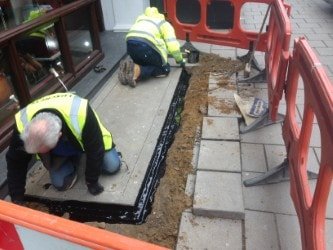
Pavement lights are glazed panels set flush into external paving to allow natural light into basements and below-ground spaces. You’ll find them across the UK, particularly in Victorian and Edwardian properties where lightwells and basement kitchens were standard features. Urban terraces, commercial vaults, and converted cellars often rely on these systems to bring daylight underground.
Water ingress basement problems often begin with failing pavement light seals that allow rainwater to penetrate below ground level. Pavement lights sit in one of the most punishing positions on any building. They’re fully exposed to heavy rainfall, foot traffic, thermal movement, and debris accumulation. Every expansion cycle and every passing storm tests the seals and structure.
Even minor leaks through pavement lights can cause significant damp issues in the ground space beneath. Water penetration at ceiling level tracks across surfaces, damages finishes, and creates conditions for mould growth. Left unaddressed, moisture ingress can corrode supporting steelwork, stain interiors, and compromise the basement structure itself.
As a UK manufacturer and installer of engineered pavement light systems, Luxcrete frequently investigates recurring basement leaks linked to ageing or poorly detailed glazing installations. In many cases, the pavement light is not an isolated defect but a weak point within the wider basement waterproofing system. Where the basement below is used as storage or converted into habitable living space, pavement lights must integrate with structural waterproofing principles set out in BS 8102:2022.
This article explains how to identify leaking pavement lights, understand why they fail, and choose the right approach to prevent recurring water ingress.
Key Takeaways
Pavement lights are a common but overlooked cause of basement water ingress.
Leaks typically result from failed seals, cracked glazing, poor installation, blocked drainage, or corroded frames.
Temporary sealants rarely address the root cause and can trap moisture, worsening damage.
Early intervention prevents structural damage, corrosion, and mould growth in the basement space below.
Long-term protection may require professional resealing, frame refurbishment, improved drainage, or full replacement.
Where the basement is a habitable living space, pavement light systems should integrate with BS 8102:2022 waterproofing design principles and the wider basement waterproofing system.
What Are Pavement Lights and How Do They Work?
Pavement lights consist of glazed panels, traditionally glass prisms or blocks, now often polycarbonate or toughened glass, set within a structural surround and installed flush with external paving to transmit natural light below ground.
Historically, many systems used steel or cast iron frames. However, modern pavement light construction has largely moved towards precast or cast in situ reinforced concrete panels, which provide greater structural strength, improved durability and longer service life in exposed ground-level conditions.
Contemporary concrete pavement light systems are designed to withstand pedestrian and vehicular loading while offering enhanced resistance to corrosion compared with older ferrous metal frames.
The key components typically include:
Glazing units: Individual glass blocks or continuous panels that transmit light
Structural concrete panel or surround: Precast or cast in situ to support loading requirements
Waterproof seal: Mastic or gasket system between glazing and surrounding structure
Drainage detail: Falls and channels directing surface water away from joints
When properly designed and installed, modern concrete pavement light systems handle water pressure, thermal movement and repeated loading without admitting moisture.
However, all components can degrade over time. Seals perish, glazing cracks and structural interfaces deteriorate, each failure point creating a pathway for basement leaks.
Signs Pavement Lights Are Leaking
Identifying a leaking pavement light early saves significant expense and prevents further damage. Focus your inspection on symptoms specific to the glazing installation rather than general basement damp.
Visible External Signs
Walk the pavement light area during dry weather and again after heavy rain. Look for:
Cracked, crazed, or cloudy glass panels
Perished or missing sealant around glazing edges
Corroded metal frames with rust staining
Standing water pooling around or on top of the unit
Loose or rocking panels underfoot
Any of these indicates the waterproofing barrier has been compromised. Pooling water is particularly concerning as it increases hydrostatic pressure on seals and accelerates deterioration.
Internal Signs Beneath the Pavement Light
Inside the basement, check the ceiling area directly below the pavement light:
Damp patches appearing on the ceiling or walls adjacent to the glazing
Water seeping in during or shortly after heavy rainfall
Water marks or tide lines showing repeated wetting and drying
Rusting steel supports or lintels around the lightwell opening
Mould growth or musty odour in the lightwell reveals and adjacent surfaces
These signs point directly to the pavement light as the source rather than general rising damp or lateral pressure through basement walls.
Documentation tip: Photograph any water leak or damp patches during rainfall, noting the date and weather conditions. This evidence helps a specialist trace the basement water leak and determine whether the issue lies with the glazing, frame, or integration with the basement waterproofing system.
Why Pavement Lights Leak: The Most Common Causes
Understanding why pavement lights fail helps you choose the right repair strategy.
Failed or Aged Seals
The mastic or gasket sealing glazing to the frame takes constant abuse. UV radiation breaks down polymers, while thermal expansion and contraction work joints open. Foot traffic vibrates seals, and standing water accelerates degradation.
Over time, sealant loses flexibility, cracks, and pulls away from surfaces. Water then penetrates the glazing-to-frame junction, tracking downward into the basement.
Cracked or Damaged Glass Blocks
Glass pavement lights can crack from impact damage, freeze-thaw cycles, or age-related stress fractures in original Victorian installations.
Even hairline cracks allow capillary action to draw water through. What begins as minor moisture ingress can develop into penetrating damp as cracks widen.
Corrosion of Steel or Cast Iron Frames
Older pavement light installations commonly used unprotected steel or cast iron frames. Rust forms where water sits against metal, and corroded steel expands as it oxidises. This expansion distorts the frame geometry, breaks the waterproof bond between frame and glazing, and lifts surrounding paving.
Corrosion is progressive. Early rust staining signals a problem that will not resolve without intervention.
Modern Luxcrete pavement light systems are designed to minimise the corrosion risks associated with older ferrous frames, providing long-term durability and structural reliability in exposed ground-level conditions.
Poor Installation or Inadequate Waterproofing Detail
Some pavement lights leak from day one due to installation defects:
No upstand or insufficient fall directing water away from seals
Incorrect bedding allowing movement and cracking
Lack of integration with surrounding waterproofing membranes
Mortar joints rather than flexible seals at critical junctions
In existing buildings, pavement lights were often installed before modern basement waterproofing systems were standard practice. Where there is no coordinated drainage system beneath, any moisture ingress passes directly into the ground space below.
Blocked Drainage Around the Pavement Light
Pavement lights rely on surrounding drainage to carry water away before it builds up against seals. When drainage channels or gullies become blocked, water pools on the surface.
Standing water increases hydrostatic pressure against joints. Given enough time, even sound seals may admit water under persistent loading.
Structural Movement
Settlement, thermal expansion and vibration all stress pavement light installations. Movement opens joints incrementally, eventually creating pathways that admit water.
Why Temporary Repairs Rarely Work
Running a bead of silicone over a visible crack rarely provides lasting protection.
Applying sealant over failed detailing can trap water already present in joints, accelerating corrosion rather than preventing it. Consumer-grade sealants degrade quickly under UV exposure and foot traffic.
Water rarely enters vertically where it appears internally. Moisture often tracks laterally along frames or through bedding layers before emerging at a different point. Sealing the visible symptom does not address the entry point or the wider waterproofing detail.
Correct diagnosis matters more than cosmetic fixes.
How to Fix Leaking Pavement Lights
Effective repairs match the solution to the specific failure mode.
Option 1: Professional Resealing and Refurbishment
For pavement lights where frames and glazing remain structurally sound, professional resealing can restore performance.
The process typically involves removing glazing units, cleaning and preparing frame surfaces, treating corrosion, installing industrial-grade seal systems, resetting glazing, and re-establishing correct drainage falls.
Option 2: Upgrading Glazing Units
If existing glass blocks are damaged or inefficient, upgrading to modern load-bearing glazing improves durability and thermal performance.
Luxcrete systems can incorporate contemporary glazing designed for long-term performance in exposed environments, reducing the risk of recurring water ingress.
Option 3: Frame Repair or Replacement
Where corrosion has compromised steel or cast iron frames, repair or replacement becomes necessary.
Replacing corroded ferrous frames with modern precast or cast in situ reinforced concrete pavement light systems improves durability, eliminates corrosion-related expansion, and enables better integration with contemporary waterproofing details.
Option 4: Full Pavement Light Replacement
When frames are beyond economic repair and glazing is damaged, full replacement is appropriate.
Complete replacement provides the opportunity to:
Upgrade load ratings and safety compliance
Redesign perimeter waterproofing integration
Establish correct falls and drainage
Coordinate with any basement waterproofing system below
Where the basement relies on a cavity drainage system or other structural waterproofing measures, coordination between the pavement light manufacturer and waterproofing specialist ensures long-term compatibility.
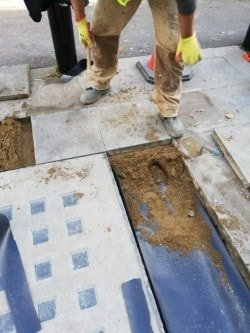
Preventing Future Leaks
Regular maintenance extends pavement light life and reduces the risk of minor leaks escalating.
Clear debris from surrounding drainage channels at least quarterly to prevent standing water forming above the frame. Inspect glazing and sealant lines annually for cracks, gaps, lifting or discolouration. After heavy rain, check for water pooling and signs of water seeping below.
Every two to three years, review frame condition for corrosion progression or movement. For older installations, periodic professional assessment helps confirm the unit remains structurally integral and watertight.
Adequate ventilation within the basement also helps reduce condensation that can be mistaken for water ingress and prevents persistent musty odour.
When to Call a Specialist
Some pavement light problems exceed DIY capability. Contact a waterproofing expert or specialist pavement light supplier when you encounter:
Recurring leaks despite previous repairs, indicating the root cause hasn’t been addressed
Visible corrosion on frames, especially if extensive or affecting structural integrity
Structural movement causing joints to open or glazing to crack
Plans to convert the basement to habitable space, triggering Building Regulations and BS 8102 requirements
Uncertainty about the load rating for the changed use of the area above
Approved installers with specific experience in pavement light systems understand both the waterproofing and structural requirements. They can advise whether refurbishment is viable or replacement is necessary, and ensure any work integrates properly with existing structures and waterproofing.
For existing basements being converted to living space, early engagement with both pavement light specialists and basement waterproofing contractors ensures a coordinated design addressing all penetrations.
Frequently Asked Questions
Leaking pavement lights should be inspected as soon as signs of water ingress appear. Pooling at ground level, water seeping into the basement, or visible seal failure indicate the waterproofing detail has been compromised.
Even minor leaks can escalate into wider water ingress basement problems, accelerating frame corrosion and causing damp within the basement space below. Water building against perimeter seals increases deterioration, particularly during heavy rainfall.
Temporary measures such as clearing drainage channels may reduce immediate risk, but a specialist inspection should be arranged promptly to prevent further structural damage.
Insurance cover depends on the cause of failure. Sudden damage from impact or storm events may fall within standard property policies. Gradual deterioration, corrosion, failed sealant and lack of maintenance are typically classified as wear and tear and are unlikely to be covered.
Where water ingress affects finishes or internal elements of a basement waterproofing system, insurers will usually assess whether the damage resulted from a sudden insured event or long-term deterioration. Always review policy wording and document visible defects.
Pavement lights sit at ground level and form a penetration through the external envelope. If detailing fails, water can bypass or undermine elements of the existing basement waterproofing system.
In properties protected by cavity drainage membranes or other structural waterproofing measures, poorly integrated pavement light frames can introduce uncontrolled moisture into the basement space. Over time, this may overload drainage components or contribute to persistent damp.
Ensuring that pavement lights integrate correctly with the wider basement waterproofing strategy is essential to long-term performance.
Routine maintenance such as clearing debris from surrounding drainage channels and monitoring for water marks can be managed internally.
However, persistent leaks, cracked glazing, corroded frames or movement within the unit require specialist intervention. Pavement lights are load-bearing installations at ground level. Improper repairs can create safety risks and fail to resolve the underlying defect.
For anything beyond inspection and cleaning, engage a specialist pavement light manufacturer or approved installer experienced in basement waterproofing integration.
Localised resealing or glazing replacement in structurally sound frames can often be completed within one to two days, depending on access and curing times.
Full replacement, particularly where coordination with a basement waterproofing system is required, may take several days. Works may involve removal of the existing frame, preparation of the structural opening and reinstatement of surrounding paving.
Clear programming should be agreed in advance, especially where the basement is occupied.
If recurring leaks are affecting the basement below, a formal waterproofing survey is advisable. A survey carried out by a waterproofing specialist assesses the condition of the basement structure, exterior walls and surrounding soil. It considers water table levels and hydrostatic pressure, which can increase loading at ground level during prolonged rainfall.
The findings determine whether the issue is limited to pavement light detailing or whether wider basement waterproofing upgrades are required. In some cases, integration with a type C waterproofing system, cavity drainage system or sump pump may be recommended to ensure the basement remains protected long term.