Luxcrete

Follow us:

Call Us:

01582 488 767 | 0208 9657292

Author name: psgsol.official

Blog

Tokenhouse Yard

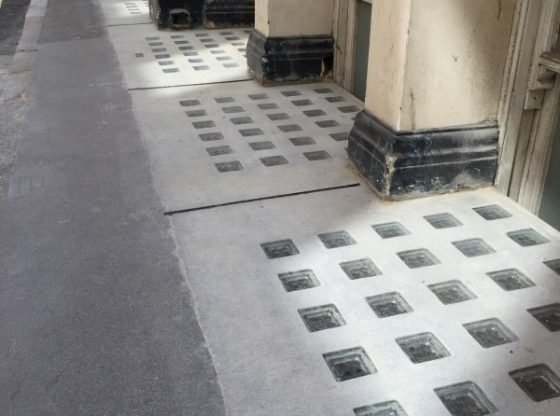
Tokenhouse Yard October 24, 2025 psgsol.official 11:23 am Tokenhouse Yard Luxcrete Limited were instructed to replace the old original cast iron Pavement Lights. These cast iron Pavement Lights were in a poor condition with numerous broken/damaged glass lenses and the frames worn smooth, they had become unsightly as well as losing their structural integrity. Luxcrete removed the existing cast iron Pavement Lights and cut back the bearings before setting up the formwork within the structural opening and then casting in situ our Pavement Lights construction type P.150/100. This construction contains 100 x 100mm glass lenses set into reinforced concrete ribs which are spaced at 150mm centres with an overall panel thickness of 100mm. Previous Post

Blog

Dalston Lane

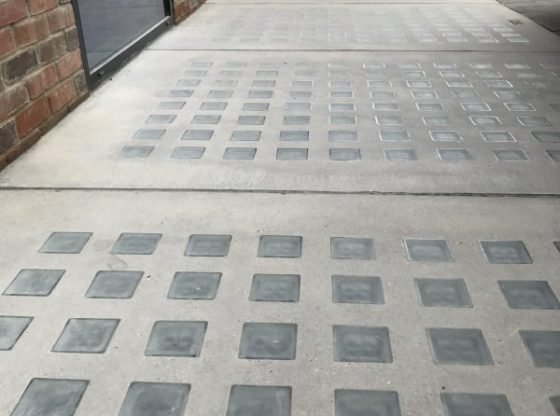
Dalston Lane October 24, 2025 psgsol.official 11:21 am Dalston Lane Dalston Lane is a mixed use development located in the London Borough of Hackney. Luxcrete Limited were chosen to install a combination of our glazed and non glazed smoke outlet panels. Here we cast in situ our P.150/100 construction using 100mm x 100mm glass lenses set at 150mm centres and our S.150/100 non glazed panels with brass demarcation set into the top face to denote the structural opening. Previous PostNext Post

Blog

50 Sloane Street

50 Sloane Street October 24, 2025 psgsol.official 11:17 am 50 Sloane Street 50 Sloane street project comprised basement lowering of an existing flat and covering the open light well to create a new retail unit. Luxcrete Pavement Lights construction type P.165/110 was specified to allow natural daylight to the basement area. This construction type uses our 100mm x 100mm pressed and annealed prismatic glass lenses set at 165mm centers with an overall construction depth of 110mm. Previous PostNext Post

Blog

MG Showroom

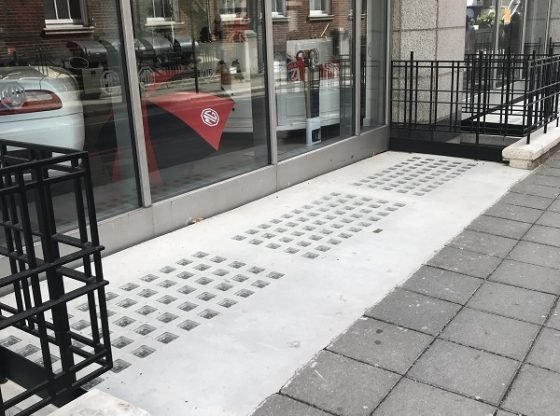
MG Showroom October 24, 2025 psgsol.official 10:32 am MG Showroom MG Showroom Marylebone Road. Luxcrete Pavement Lights construction type P.150/100 were installed to form bridge panels over the open lightwell. Large panels were formed to allow potential customers to view the vehicles and smaller panels were formed to allow access to the showroom Next Post

Blog

Cast In Situ Explained: What to Expect on Site

Cast In Situ Explained: What to Expect on Site June 1, 2026 psgsol.official 7:51 am Cast In Situ Explained: What to Expect on Site When you hear the term “cast in situ,” it simply means concrete that is poured, compacted and cured directly at its final position on the construction site. Unlike precast concrete manufactured elsewhere, this method transforms raw building materials into permanent structures right where they’ll stand for decades. Understanding what happens on site during casting concrete operations helps project managers, architects and contractors make informed decisions about their construction process. This guide walks through the meaning, workflow, advantages and practical considerations you’ll encounter when choosing this traditional yet versatile method. Introduction to Cast In Situ Concrete The cast in situ meaning is straightforward: fresh concrete is placed into temporary formwork at its intended location, where it hardens to form the finished structure. This approach has been standard practice across UK and EU construction projects since the mid-20th century, particularly for slabs, foundations, retaining walls and structural frames. Terminology can cause confusion, but the following all describe the same on-site pouring process: Cast in situ concrete In-situ concrete Cast in place concrete Each refers to concrete placed into formwork around steel reinforcement bars, where cement hydration – influenced by water content, temperature and curing conditions – develops properties like compressive strength and durability. While precast suits standardised, repetitive elements, cast in situ offers the site-specific adaptability many projects requiring unique shapes demand.   Cast In Situ Meaning & Basic Concept Cast in situ concrete describes the process of placing fresh concrete mix into temporary formwork erected on site around fixed reinforcement, where it hardens into its permanent structural shape. Key characteristics of this method include: The mould is a temporary formwork rather than permanent factory moulds, allowing direct adaptation to site geometry and subsoil conditions Monolithic structure creation with minimal joints across slabs, beams and walls, enhancing load distribution and structural continuity Hydration-based curing, where cement reacts with water to develop strength, modulus of elasticity and durability based on mix composition and placement execution Joint-minimised load-bearing elements including foundations, walls, columns, slabs and tunnel linings This method is widely used on construction projects from small house extensions to multi-storey office buildings, basements and car parks. Cast In Situ vs Precast Concrete Both methods use concrete as their primary material, but the difference lies in where casting and curing occur. Precast concrete: Elements such as beams, columns, stairs and façade panels are cast in factories under controlled conditions, cured to high standards, and delivered ready for installation. Factory production enables accelerated curing, weather independence and no on-site strength testing requirements. Main distinctions: Casting location: Factory for precast; construction site for cast in situ Curing environment: Precise quality control over mix, placement and curing in factories; variable outdoor conditions on site Transport requirements: Precast elements need transport logistics for potentially oversized loads; cast in situ eliminates this concern Shape possibilities: Precast uses reusable moulds; cast in situ offers unlimited geometry. However, careful consideration must be given to the size and shape of all panels to minimise the possibility of shrinkage. Certain site conditions and locations may dictate in situ casting. Our technical department can provide expert advice. Typical precast applications: Repetitive units requiring consistency Long spans such as walkways, car park roof lights, stairways and bridges Industrial buildings and warehouses Retaining wall units and drainage components Typical cast in situ applications: Complex geometry and bespoke features Basements and lift cores Shear walls and heavily loaded foundations Post-tensioned slabs Projects requiring unique shapes where factory retooling isn’t economical Many modern projects from the 2010s onwards use a hybrid approach, combining precast speed with cast in situ flexibility. Precast saves time with no curing wait on-site, while cast in situ provides design freedom and seamless integration with existing structures. Cast In Situ Concrete Construction Process The construction process for situ concrete follows a logical sequence, with each stage building upon the previous. Here’s what to expect during concrete pouring operations. Site preparation: Setting out dimensions and levels Excavation to formation level Placing blinding concrete for a clean, stable base Installing services and any embedded items prior to pouring Reinforcement fixing: Placing and tying steel bars, chairs, links and mesh per structural drawings Following requirements such as BS EN 1992 (Eurocode 2) for bar spacing and cover Ensuring proper cover for reinforcement for long-term durability Formwork erection: Using systems such as traditional timber or steel panels Creating shape-giving, sealed support for the wet concrete Checking alignment and stability before the pour Concrete delivery and placement: Ready-mix trucks arriving on scheduled pour dates Concrete is pumped or discharged directly into formwork Managing placement rates and concrete temperatures Compaction: Using internal vibrators to eliminate air pockets Achieving full contact with reinforcement and form faces Preventing defects like honeycombing that compromise structural integrity Curing process: Maintaining moisture and temperature using compounds, wet coverings or insulated formwork Continuing for at least 7 days in typical UK conditions Controlling shrinkage cracking and ensuring uniform strength gain Striking formwork: Removing after concrete reaches 50–70% of design strength Verifying strength through cube tests Prioritising safety and avoiding damage to edges Advantages of Cast In Situ Concrete In the 2020s, designers and contractors continue choosing cast in situ for compelling practical reasons. The method offers distinct advantages over precast elements in the right circumstances. Design flexibility: Create curved walls, transfer beams, cantilevers and bespoke staircases Form helical shapes, sloping soffits and irregular grids No factory retooling required for unique geometries Architects can realise creative visions within engineering limits Structural continuity: Monolithic slabs, beams and cores improve robustness Enhanced progressive collapse resistance Superior watertightness across large structures Better load distribution throughout the frame On-site adaptability: Accommodate late design changes without major programme impact Easier service penetrations and coordination with mechanical and electrical trades Adjust openings, recesses and built-in features during construction Transport benefits: No oversized loads on public roads Reduced road disruptions, especially in urban or remote sites Lower transport costs

Blog

A Practical Maintenance Checklist for Pavement Lights and Rooflights

A Practical Maintenance Checklist for Pavement Lights and Rooflights June 1, 2026 psgsol.official 7:34 am A Practical Maintenance Checklist for Pavement Lights and Rooflights Pavement lights are glazed panels set flush with the surface of a footway, designed to transmit natural light into underground spaces such as basements and cellar areas. These installations typically consist of cast iron, steel, or concrete frames infilled with glass lenses or glass blocks that withstand heavy foot traffic while allowing daylight to penetrate below ground level. You will find pavement lights in a range of locations across UK cities: Public footways outside commercial buildings Building entrances and lobby areas above basements Loading bays where delivery vehicles require access Courtyard areas positioned over storage rooms and offices The loading demands on these systems are considerable. They must cope with constant exposure to pedestrian traffic, occasional vehicle loading from delivery vans, freeze–thaw cycles during winter months, and urban pollution that accumulates on the surface. These factors combine to cause gradual deterioration of seals, joints, and the glass or lens units themselves. Key reasons for regular maintenance: preventing water ingress into basements maintaining structural integrity avoiding slips and trips Damaged pavement lights not only compromise the safety of pedestrians above but can also lead to significant moisture problems in the underground spaces they serve. Older Victorian lights often have original cast-iron frames and prism lenses, which require more careful, conservation-led maintenance. These heritage installations demand specialist knowledge to balance restoration with modern safety expectations. Key Takeaways Regular pavement light maintenance keeps basements and lower-ground floors dry, bright, and compliant with safety standards in busy UK city centres. Neglecting seals, frames, and glass lenses typically leads to water ingress, corrosion, and costly structural repairs within 3–5 years. A planned inspection and maintenance schedule (at least annually and after severe weather) can extend pavement light lifespan beyond 40–50 years. Modern systems combine glass, cast iron or steel frames, mastic asphalt, liquid-applied waterproofing, and slip-resistant pavement light finishes to meet current loading and safety requirements. Specialist contractors should handle major maintenance, particularly on heritage cast-iron pavement lights and heavily trafficked London pavements. Common Pavement Light Defects to Look For Most serious failures are visible from the pavement surface if you know what to look for. A systematic approach to identifying defects helps you prioritise pavement light repairs before they escalate into structural problems requiring full replacements. Glass and Lens Problems Defect Type Visual Signs Risk Level Cracked units Visible fracture lines, chips at edges High – trip hazard and water entry Crazed glass Fine network of surface cracks Medium – reduced strength Missing lenses Empty frame openings Critical – immediate hazard Surface spalling Flaking or pitting on the glass surface Low – monitor closely Opaque or stained glass Yellowed, cloudy, or stained appearance Low – reduced light transmission When pavement glass no longer transmits light effectively, its purpose is undermined. Lens repairs or full replacement may be necessary to restore natural light to the spaces below.       Frame Issues Cover frame issues carefully: rusting or section loss on cast iron or steel, movement of frames relative to surrounding paving, and loose or rocking frames underfoot. Steel and cast iron frames suffer from corrosion over time, particularly where waterproof coatings have failed or where joints allow moisture to penetrate. Frame movement is a serious concern. If you notice the frame shifting when walked upon, this indicates that the bedding or fixings have deteriorated. Left unaddressed, this movement accelerates wear on surrounding joints and creates trip hazards. Seal and Joint Failures The perimeter seal is your first line of defence against leaks. Common failures include: Perished mastic that has shrunk away from the frame edges Open gaps between the frame and surrounding asphalt or paving slabs Failed liquid-applied membranes that have cracked or debonded Missing or degraded bitumen flashings Internal Warning Signs From the basement or cellar, look for these clues that water is finding its way through: Staining on soffits directly beneath pavement lights Rust streaks on supporting steelwork Blistering paint or surface coatings Damp patches appearing during or after rain Mould growth in previously dry areas We would recommend recording defects with dated photographs and notes to compare from one maintenance visit to the next. This documentation proves invaluable when planning remedial work or discussing issues with specialist contractors. Inspection and Maintenance Schedule Establishing a consistent inspection cycle is essential to catching problems before they require major intervention. Annual Inspection Routine It is advisable to schedule routine visual inspections at least once a year, ideally in late autumn before heavy winter rain and freezing conditions, and after any major storm event. This timing allows you to address any emerging issues before the harshest weather arrives. Step 1: Surface Inspection from Above Walk the entire area methodically, examining each panel in turn. Gently rock each glass unit with your foot (without using tools) and check for: Movement or wobbling under pressure Visible cracks on the surface Rattling noises indicating loose components Unevenness relative to the surrounding pavement Step 2: Internal Inspection from Below From the basement or cellar, check for signs of moisture, rust staining, and active drips during heavy rain. Bring a torch and moisture meter, where available, to assess dampness in supporting structures. Pay particular attention to the point where the frame meets the ceiling structure. Step 3: Documentation Keep a simple maintenance log recording: Inspection date and weather conditions Observed defects with location notes Photographs showing problem areas Temporary measures taken (if any) Recommendations for specialist repair Frequency Adjustments High-traffic commercial pavements require more attention than quiet residential courtyards. Consider these guidelines: Location Type Recommended Frequency Retail frontages Every 6 months Standard commercial premises Annually Residential buildings with low traffic Every 18-24 months Properties with known water ingress history Every 6-12 months Councils and highway authorities in the London area often have specific requirements for pavement lights on public footways, so check local guidance for your site.     Routine Cleaning and Daylight Restoration Dirt,

Blog

Why Pavement Lights Leak and How to Prevent Recurring Water Ingress

Why Pavement Lights Leak and How to Prevent Recurring Water Ingress June 1, 2026 psgsol.official 6:03 am Why Pavement Lights Leak and How to Prevent Recurring Water Ingress Pavement lights are glazed panels set flush into external paving to allow natural light into basements and below-ground spaces. You’ll find them across the UK, particularly in Victorian and Edwardian properties where lightwells and basement kitchens were standard features. Urban terraces, commercial vaults, and converted cellars often rely on these systems to bring daylight underground. Water ingress basement problems often begin with failing pavement light seals that allow rainwater to penetrate below ground level. Pavement lights sit in one of the most punishing positions on any building. They’re fully exposed to heavy rainfall, foot traffic, thermal movement, and debris accumulation. Every expansion cycle and every passing storm tests the seals and structure. Even minor leaks through pavement lights can cause significant damp issues in the ground space beneath. Water penetration at ceiling level tracks across surfaces, damages finishes, and creates conditions for mould growth. Left unaddressed, moisture ingress can corrode supporting steelwork, stain interiors, and compromise the basement structure itself. As a UK manufacturer and installer of engineered pavement light systems, Luxcrete frequently investigates recurring basement leaks linked to ageing or poorly detailed glazing installations. In many cases, the pavement light is not an isolated defect but a weak point within the wider basement waterproofing system. Where the basement below is used as storage or converted into habitable living space, pavement lights must integrate with structural waterproofing principles set out in BS 8102:2022. This article explains how to identify leaking pavement lights, understand why they fail, and choose the right approach to prevent recurring water ingress. Key Takeaways Pavement lights are a common but overlooked cause of basement water ingress. Leaks typically result from failed seals, cracked glazing, poor installation, blocked drainage, or corroded frames. Temporary sealants rarely address the root cause and can trap moisture, worsening damage. Early intervention prevents structural damage, corrosion, and mould growth in the basement space below. Long-term protection may require professional resealing, frame refurbishment, improved drainage, or full replacement. Where the basement is a habitable living space, pavement light systems should integrate with BS 8102:2022 waterproofing design principles and the wider basement waterproofing system. What Are Pavement Lights and How Do They Work? Pavement lights consist of glazed panels, traditionally glass prisms or blocks, now often polycarbonate or toughened glass, set within a structural surround and installed flush with external paving to transmit natural light below ground. Historically, many systems used steel or cast iron frames. However, modern pavement light construction has largely moved towards precast or cast in situ reinforced concrete panels, which provide greater structural strength, improved durability and longer service life in exposed ground-level conditions. Contemporary concrete pavement light systems are designed to withstand pedestrian and vehicular loading while offering enhanced resistance to corrosion compared with older ferrous metal frames. The key components typically include: Glazing units: Individual glass blocks or continuous panels that transmit light Structural concrete panel or surround: Precast or cast in situ to support loading requirements Waterproof seal: Mastic or gasket system between glazing and surrounding structure Drainage detail: Falls and channels directing surface water away from joints When properly designed and installed, modern concrete pavement light systems handle water pressure, thermal movement and repeated loading without admitting moisture. However, all components can degrade over time. Seals perish, glazing cracks and structural interfaces deteriorate, each failure point creating a pathway for basement leaks. Signs Pavement Lights Are Leaking Identifying a leaking pavement light early saves significant expense and prevents further damage. Focus your inspection on symptoms specific to the glazing installation rather than general basement damp. Visible External Signs Walk the pavement light area during dry weather and again after heavy rain. Look for: Cracked, crazed, or cloudy glass panels Perished or missing sealant around glazing edges Corroded metal frames with rust staining Standing water pooling around or on top of the unit Loose or rocking panels underfoot Any of these indicates the waterproofing barrier has been compromised. Pooling water is particularly concerning as it increases hydrostatic pressure on seals and accelerates deterioration. Internal Signs Beneath the Pavement Light Inside the basement, check the ceiling area directly below the pavement light: Damp patches appearing on the ceiling or walls adjacent to the glazing Water seeping in during or shortly after heavy rainfall Water marks or tide lines showing repeated wetting and drying Rusting steel supports or lintels around the lightwell opening Mould growth or musty odour in the lightwell reveals and adjacent surfaces These signs point directly to the pavement light as the source rather than general rising damp or lateral pressure through basement walls. Documentation tip: Photograph any water leak or damp patches during rainfall, noting the date and weather conditions. This evidence helps a specialist trace the basement water leak and determine whether the issue lies with the glazing, frame, or integration with the basement waterproofing system. Why Pavement Lights Leak: The Most Common Causes Understanding why pavement lights fail helps you choose the right repair strategy. Failed or Aged Seals The mastic or gasket sealing glazing to the frame takes constant abuse. UV radiation breaks down polymers, while thermal expansion and contraction work joints open. Foot traffic vibrates seals, and standing water accelerates degradation. Over time, sealant loses flexibility, cracks, and pulls away from surfaces. Water then penetrates the glazing-to-frame junction, tracking downward into the basement. Cracked or Damaged Glass Blocks Glass pavement lights can crack from impact damage, freeze-thaw cycles, or age-related stress fractures in original Victorian installations. Even hairline cracks allow capillary action to draw water through. What begins as minor moisture ingress can develop into penetrating damp as cracks widen. Corrosion of Steel or Cast Iron Frames Older pavement light installations commonly used unprotected steel or cast iron frames. Rust forms where water sits against metal, and corroded steel expands as it oxidises. This expansion distorts the frame geometry, breaks the waterproof

Blog

Smoke Ventilation and Basement Escape: Fire Escape Hatches vs Smoke Outlet Panels

Smoke Ventilation and Basement Escape: Fire Escape Hatches vs Smoke Outlet Panels June 1, 2026 psgsol.official 5:46 am Smoke Ventilation and Basement Escape: Fire Escape Hatches vs Smoke Outlet Panels When designing basements, lightwells and below-ground commercial spaces, understanding the difference between an escape hatch vs smoke panel is critical to achieving a compliant fire safety strategy. Although both systems may be installed at ground or pavement level, they serve fundamentally different purposes within a building’s fire safety and smoke control systems. A fire escape hatch is primarily designed to provide a safe means of escape from basement areas and to give firefighters easy access during an emergency. These systems are typically installed within pavements, landscaped areas or external ground-level zones above basement lightwells. A smoke outlet panel, by contrast, forms part of a smoke ventilation strategy. It is designed as a designated break-out panel at ground or pavement level, which can be removed or broken during a fire to allow smoke and heat to be released to the outside environment. It does not operate as an automatic opening vent. Specifying the wrong system can compromise smoke control performance, fail building regulations, and put lives at risk. Key Takeaways Fire escape hatches are designed to provide safe emergency escape and fire service access from basements and below-ground spaces, typically installed at pavement or ground level. Smoke outlet panels form part of a building’s smoke ventilation strategy and are designed to be broken out during a fire to allow smoke and hot gases to be released. They are not automatic opening vents. UK Building Regulations, including Approved Document B, define when smoke ventilation and smoke control provisions are required, while fire escape hatches are specified as part of a compliant means of escape strategy. A smoke panel cannot be treated as an escape hatch unless it has been specifically designed, sized and certified to perform both smoke control and safe evacuation functions. Understanding the difference between an escape hatch and a smoke panel is essential for meeting fire safety regulations, protecting occupants and ensuring regulatory compliance in basement and lightwell design. What Is a Fire Escape Hatch? A fire escape hatch is a pavement-level access system installed above a basement or lightwell to provide a compliant means of escape during an emergency. In below-ground developments, safe evacuation routes must lead directly to open air. Where stair cores or protected corridors terminate at ground level within a lightwell, a fire escape hatch provides the final point of exit. It enables occupants to leave the building safely and gives firefighters direct access to the basement during firefighting efforts. Unlike smoke ventilation systems, fire escape hatches are primarily designed for: Safe evacuation Protecting escape routes Giving occupants direct access to ground level Giving firefighters emergency entry Supporting an overall fire safety strategy They are typically installed within pavements or pedestrian areas and must comply with structural loading requirements, safety standards, and building regulations. In commercial building projects and high-spec residential basements, these systems play a critical role in safeguarding lives while maintaining day-to-day ventilation and secure access when not in use. Luxcrete’s Fire Escape Hatches are engineered specifically for pavement applications, combining structural performance with compliant basement escape provision. What Is a Smoke Outlet Panel? A smoke outlet panel forms part of a building’s smoke ventilation strategy. Its purpose is not escape, but smoke control. During a fire, smoke and heat rise rapidly, creating smoke accumulation that can compromise visibility, increase smoke inhalation risk and make escape routes unusable. Smoke outlet panels are designed to provide a designated opening at ground or pavement level that can be broken out during a fire to allow smoke and hot gases to be released to the outside environment. Luxcrete smoke outlet panels are glazed or non-glazed concrete panels which are intentionally designed to be broken to create an opening for smoke discharge. They are not engineered to open automatically via detectors or control panels. As part of a smoke control strategy, they: Provide a defined smoke release point at pavement or ground level Allow emergency services to ventilate basements and shafts Assist with the controlled release of smoke and hot gases Contribute to maintaining clearer escape routes By enabling smoke to vent externally once broken out, these panels assist with: Maintaining visibility Supporting safe evacuation Protecting occupants Improving firefighting access Reducing the spread of toxic gases In many basement designs, smoke ventilation provision is required under fire safety regulations and Approved Document B. Without an appropriate means of smoke release, smoke and heat can quickly render a basement unsafe. Luxcrete’s Smoke Outlet Panels are precast or cast-in-situ concrete constructions designed for horizontal or vertical smoke outlets, including ducting and shaft applications, and are identified in accordance with regulatory requirements using cast-in metal identification plates. Escape Hatches and Smoke Panels: The Core Differences Understanding the difference between an escape hatch and a smoke panel is essential when developing a compliant fire safety strategy. Although both systems may be installed at pavement level, their functions within the building are entirely different. Feature Fire Escape Hatch Smoke Outlet Panel Primary Function Safe escape and emergency access Smoke ventilation and heat control Role in Fire Safety Supports safe evacuation Supports smoke control strategy Activation Manual opening Break-out panel designed to be removed or broken during a fire Focus Movement of occupants Release smoke and hot gases Regulatory Context Means of escape provision Smoke ventilation requirement A smoke panel is not designed to function as a safe escape route unless specifically engineered and certified to do so. Likewise, an escape hatch does not replace the need for compliant smoke ventilation where required under building regulations. Selecting the right solution depends on the building design, fire safety codes, and regulatory requirements. Regulatory Requirements and Compliance Basement developments are subject to strict fire safety regulations due to the increased risk of smoke accumulation and limited natural ventilation. Approved Document B outlines requirements relating to: Protected escape routes Smoke control systems Smoke shafts Smoke