
A Practical Maintenance Checklist for Pavement Lights and Rooflights
- June 1, 2026
- psgsol.official
- 7:34 am
A Practical Maintenance Checklist for Pavement Lights and Rooflights
Pavement lights are glazed panels set flush with the surface of a footway, designed to transmit natural light into underground spaces such as basements and cellar areas. These installations typically consist of cast iron, steel, or concrete frames infilled with glass lenses or glass blocks that withstand heavy foot traffic while allowing daylight to penetrate below ground level.
You will find pavement lights in a range of locations across UK cities:
Public footways outside commercial buildings
Building entrances and lobby areas above basements
Loading bays where delivery vehicles require access
Courtyard areas positioned over storage rooms and offices
The loading demands on these systems are considerable. They must cope with constant exposure to pedestrian traffic, occasional vehicle loading from delivery vans, freeze–thaw cycles during winter months, and urban pollution that accumulates on the surface. These factors combine to cause gradual deterioration of seals, joints, and the glass or lens units themselves.
Key reasons for regular maintenance:
preventing water ingress into basements
maintaining structural integrity
avoiding slips and trips
Damaged pavement lights not only compromise the safety of pedestrians above but can also lead to significant moisture problems in the underground spaces they serve.
Older Victorian lights often have original cast-iron frames and prism lenses, which require more careful, conservation-led maintenance. These heritage installations demand specialist knowledge to balance restoration with modern safety expectations.
Key Takeaways
Regular pavement light maintenance keeps basements and lower-ground floors dry, bright, and compliant with safety standards in busy UK city centres.
Neglecting seals, frames, and glass lenses typically leads to water ingress, corrosion, and costly structural repairs within 3–5 years.
A planned inspection and maintenance schedule (at least annually and after severe weather) can extend pavement light lifespan beyond 40–50 years.
Modern systems combine glass, cast iron or steel frames, mastic asphalt, liquid-applied waterproofing, and slip-resistant pavement light finishes to meet current loading and safety requirements.
Specialist contractors should handle major maintenance, particularly on heritage cast-iron pavement lights and heavily trafficked London pavements.
Common Pavement Light Defects to Look For
Most serious failures are visible from the pavement surface if you know what to look for. A systematic approach to identifying defects helps you prioritise pavement light repairs before they escalate into structural problems requiring full replacements.
Glass and Lens Problems
Defect Type | Visual Signs | Risk Level |
|---|---|---|
Cracked units | Visible fracture lines, chips at edges | High – trip hazard and water entry |
Crazed glass | Fine network of surface cracks | Medium – reduced strength |
Missing lenses | Empty frame openings | Critical – immediate hazard |
Surface spalling | Flaking or pitting on the glass surface | Low – monitor closely |
Opaque or stained glass | Yellowed, cloudy, or stained appearance | Low – reduced light transmission |
When pavement glass no longer transmits light effectively, its purpose is undermined. Lens repairs or full replacement may be necessary to restore natural light to the spaces below. |
|
|
Frame Issues
Cover frame issues carefully: rusting or section loss on cast iron or steel, movement of frames relative to surrounding paving, and loose or rocking frames underfoot. Steel and cast iron frames suffer from corrosion over time, particularly where waterproof coatings have failed or where joints allow moisture to penetrate.
Frame movement is a serious concern. If you notice the frame shifting when walked upon, this indicates that the bedding or fixings have deteriorated. Left unaddressed, this movement accelerates wear on surrounding joints and creates trip hazards.
Seal and Joint Failures
The perimeter seal is your first line of defence against leaks. Common failures include:
Perished mastic that has shrunk away from the frame edges
Open gaps between the frame and surrounding asphalt or paving slabs
Failed liquid-applied membranes that have cracked or debonded
Missing or degraded bitumen flashings
Internal Warning Signs
From the basement or cellar, look for these clues that water is finding its way through:
Staining on soffits directly beneath pavement lights
Rust streaks on supporting steelwork
Blistering paint or surface coatings
Damp patches appearing during or after rain
Mould growth in previously dry areas
We would recommend recording defects with dated photographs and notes to compare from one maintenance visit to the next. This documentation proves invaluable when planning remedial work or discussing issues with specialist contractors.
Inspection and Maintenance Schedule
Establishing a consistent inspection cycle is essential to catching problems before they require major intervention.
Annual Inspection Routine
It is advisable to schedule routine visual inspections at least once a year, ideally in late autumn before heavy winter rain and freezing conditions, and after any major storm event. This timing allows you to address any emerging issues before the harshest weather arrives.
Step 1: Surface Inspection from Above
Walk the entire area methodically, examining each panel in turn. Gently rock each glass unit with your foot (without using tools) and check for:
Movement or wobbling under pressure
Visible cracks on the surface
Rattling noises indicating loose components
Unevenness relative to the surrounding pavement
Step 2: Internal Inspection from Below
From the basement or cellar, check for signs of moisture, rust staining, and active drips during heavy rain. Bring a torch and moisture meter, where available, to assess dampness in supporting structures. Pay particular attention to the point where the frame meets the ceiling structure.
Step 3: Documentation
Keep a simple maintenance log recording:
Inspection date and weather conditions
Observed defects with location notes
Photographs showing problem areas
Temporary measures taken (if any)
Recommendations for specialist repair
Frequency Adjustments
High-traffic commercial pavements require more attention than quiet residential courtyards. Consider these guidelines:
Location Type | Recommended Frequency |
|---|---|
Retail frontages | Every 6 months |
Standard commercial premises | Annually |
Residential buildings with low traffic | Every 18-24 months |
Properties with known water ingress history | Every 6-12 months |
Councils and highway authorities in the London area often have specific requirements for pavement lights on public footways, so check local guidance for your site. |
|
Routine Cleaning and Daylight Restoration
Dirt, algae, and pollution films significantly reduce light transmission and can create slippery surfaces. Regular cleaning maintains both the appearance and the effectiveness of your pavement lights while reducing slip risks for pedestrians.
Safe Surface Cleaning Methods
When cleaning from above, follow these principles:
Use soft brushes and non-abrasive pads
Apply pH-neutral cleaning agents only
Avoid acids, bleach, or aggressive solvents that can etch glass
Never use pressure washers directly on seals or joints
Rinse thoroughly with clean water after cleaning
Harsh chemicals damage sealants and can accelerate corrosion on metal frames. Always test cleaning products on a small, inconspicuous area first.
Cleaning from Below
Cleaning the underside of the lenses from the basement side can dramatically improve daylight levels in storage rooms and offices. Accumulated dust and grime on the inner face of floor lights block a surprising amount of light. A simple wipe-down with a damp cloth can restore brightness to cellar areas.
Joint and Drainage Maintenance
Remove loose debris from perimeter joints and drainage channels using a stiff brush or vacuum. However, avoid prising out intact mastic or sealant without a planned repair strategy, as you may cause more harm than good by exposing the substrate to moisture before you are ready to reseal.
Safety During Cleaning
On busy pavements, temporarily cordon off the working area with cones and signage. Wet surfaces become slippery, and cleaning products can create additional hazards for pedestrians. Coordinate with building management to schedule cleaning during quieter periods where possible.
Glass, Lens, and Frame Maintenance
Structural safety depends on the combined performance of glass (or lenses) and the supporting frame system. Neither component works effectively in isolation – a sound frame with damaged glass or vice versa compromises the entire installation.
Replacing Damaged Glass Blocks or Lenses
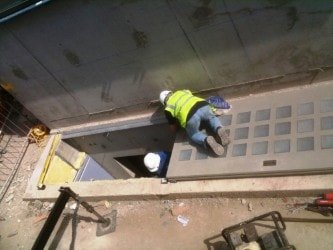
The process for replacing pavement light glass typically involves:
Carefully removing broken units without damaging adjacent panels
Cleaning and preparing the seating surfaces in the frame
Checking for corrosion or damage to supporting elements
Fitting new units with appropriate bedding compounds
Resealing per manufacturer or conservation guidance
Allowing cure time before reopening to traffic
Modern replacements often use toughened or laminated glass designed to current loading standards, even where they sit within older cast-iron frames. This approach allows you to upgrade safety performance while preserving heritage appearance.
Metal Frame Maintenance
For steel and cast iron frames, the maintenance process includes:
Rust removal using appropriate methods (wire brushing, needle guns)
Application of corrosion treatment products, such as rust converters
Protective coating systems suitable for the substrate
Careful touch-up to maintain original detailing on heritage installations
Avoid aggressive cleaning methods that remove original material from historic frames. Conservation-led approaches prioritise stabilising existing fabric rather than achieving a “like new” appearance.
When to Consider Frame Replacement
Where frames have severe section loss or distortion, full or partial frame replacement should be considered during a planned refurbishment project. Options include:
Stainless steel frames offering superior corrosion resistance
Galvanised steel as a cost-effective alternative
Like-for-like cast iron replacement for heritage settings
Composite materials for specific applications
Structural Considerations
Any structural interventions should account for:
Imposed loads from pedestrians and vehicles
Fire escape routes that may pass over or adjacent to the installation
Requirements of local highway authorities
Conservation officer input for listed buildings
Smoke outlet panels and other building services that may be integrated
Safety, Compliance, and When to Call a Specialist
Safety obligations sit with the building owner or duty holder, and professional input is often required for pavement light repairs beyond basic cleaning and inspection. Understanding when to call in experts protects both people and property.
Regulatory Framework
Typical standards and regulations influencing pavement light maintenance include:
Loading expectations for public footways (typically 5 kN/m² for pedestrians, higher for vehicle access)
Slip resistance guidance and testing standards
Duty-of-care obligations under UK health and safety legislation
Building regulations relating to fire safety and means of escape
Highway authority requirements for works on public land
Warning Signs Requiring Specialist Attention
Clear triggers to call in a specialist contractor include:
Visible structural defects in frames or supporting structures
Repeated water ingress despite previous repairs
Movement underfoot when walking on panels
Glass units that have dropped below frame level
Widespread cracking patterns suggesting substrate problems
Any situation where you undertake leak investigations without finding the source
Coordination Requirements
Before undertaking major renewals, coordinate with:
Building insurers who may require notification of significant works
Local councils regarding highway permits and road closures
Heritage officers where pavement lights contribute to a conservation area
Neighbouring property owners who may be affected by access restrictions
Utility companies, if services run beneath the installation
A replacement service that includes project management of these stakeholder relationships can save considerable time on complex sites.
Frequently Asked Questions
Most properties should have a professional inspection every 2–3 years, with annual visual checks in between. High-footfall areas or sites with previous water ingress may require inspections every 12-18 months. Additional checks are recommended after storm damage, nearby construction work, or if movement is noticed underfoot. Early inspection costs are minimal compared to structural repairs or basement water damage.
Yes. Many projects involve resealing, resurfacing with mastic asphalt or liquid membranes, and replacing damaged glass lenses while retaining the existing frame. A full reseal can restore watertight performance for 10-20 years. Complete replacement is usually only required where frames are severely corroded or structurally inadequate.
Anti-slip finishes are recommended for high-traffic areas, sloping pavements, and damp entrances. Clear polyurethane coatings improve slip resistance while maintaining light transmission. In low-traffic private areas, surrounding surface finishes may provide sufficient grip, but public pavements typically require a dedicated anti-slip treatment.
Works on the public highway usually require coordination with the local authority, including permits for access or temporary closures. Listed buildings and conservation areas may also require consent. Always check with your local highways and planning departments before starting work.
How long does waterproofing last?
Mastic asphalt details can last decades with proper maintenance, while modern liquid-applied systems typically offer 10-20 year design lives. Longevity depends on traffic levels, UV exposure, cleaning methods, and correct installation. Retain warranties and installation records for future reference.